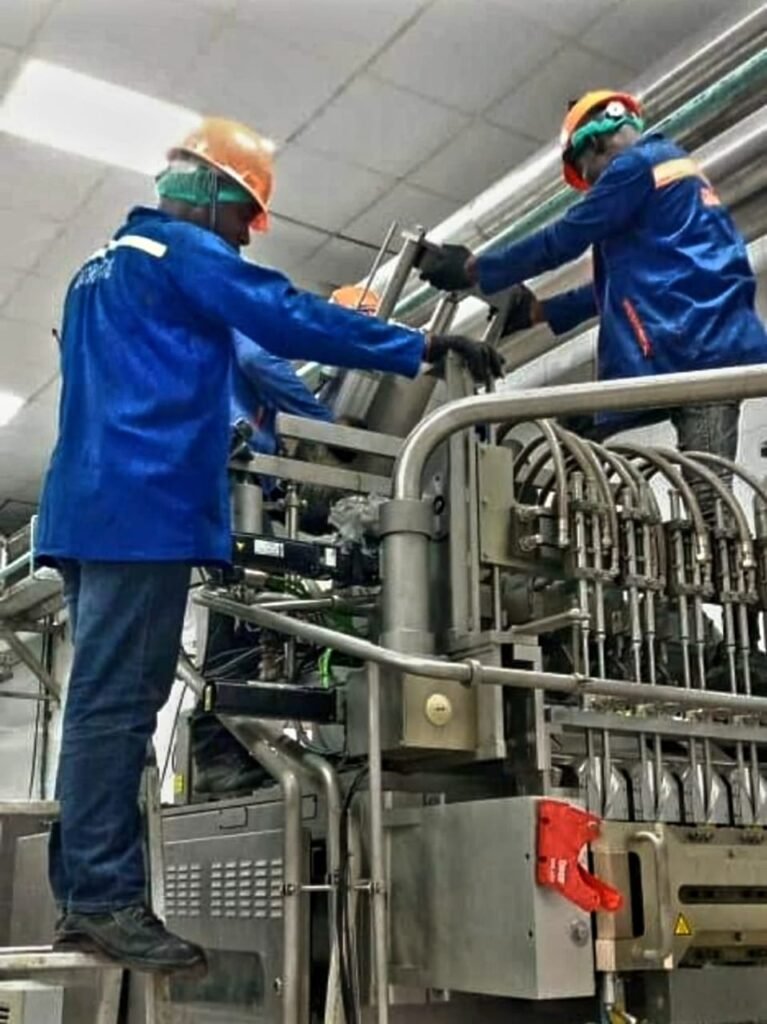
Our Zero Harm Philosophy
At Riggs Project Engineering, safety is not treated as an afterthought. It is built into how we plan, supervise, execute, inspect, and hand over every project.
Our goal is to protect people, assets, the environment, and client operations while delivering projects safely, properly, and according to agreed requirements.

RIGGS PROJECT ENGINEERING
HSS&E Capabilities
We support clients with safety management, site supervision, compliance support, and practical HSS&E control across industrial and project environments.
HSS&E Management Systems
Structured safety systems that support safe project planning, execution, monitoring, and reporting.
Site Safety Supervision
On-site safety oversight to ensure work is carried out according to approved procedures and safety expectations.
HSE Manpower Supply
Provision of competent HSE personnel to support site activities, project teams, and facility operations.
Audits and Inspections
Safety audits, workplace inspections, and compliance checks to identify gaps and improve site performance.
Risk Assessments and JHA
Practical risk assessments and Job Hazard Analysis to identify hazards before work begins.
Permit to Work Systems
Support for permit control processes to ensure high-risk tasks are properly reviewed and authorized.
Emergency Response Planning
Planning support to help teams prepare for emergencies and respond effectively when needed.
Environmental Monitoring
Monitoring and reporting support to help reduce environmental impact during project execution.
Safety Training and Compliance Support
Training and guidance to help personnel understand safety requirements and work responsibly.
Our Project Delivery Methodology
Riggs applies a structured delivery process to ensure every project is planned, controlled, supervised, inspected, and properly handed over.
Step 1: Scope Definition and Site Survey
We begin by understanding the project scope, site conditions, requirements, constraints, and expected deliverables.
Step 2: Risk Identification and Planning
We identify possible risks, safety concerns, technical gaps, and execution requirements before work begins.
Step 3: Engineering and Method Statements
We prepare the necessary engineering inputs, work methods, procedures, and execution plans for the project.
Step 4: Procurement and Logistics Control
We coordinate required materials, equipment, tools, logistics, and project resources for smooth execution.
Step 5: Controlled Execution and Supervision
Work is executed under proper supervision, safety control, and progress monitoring.
Step 6: Inspection and Quality Checks
We carry out inspections and quality checks to confirm that work meets required standards and client expectations.
Step 7: Testing and Commissioning
Systems, equipment, or completed works are tested and commissioned where applicable before final handover.
Step 8: Handover, Training, and Closeout Documentation
We complete the project with proper documentation, handover records, training support, and closeout reporting.