
Fire Protection Systems Every Industrial Facility Should Have

Fire safety is one of the most important responsibilities in any industrial or commercial facility. Manufacturing plants, warehouses, processing facilities, power environments, and industrial operations often contain equipment, electrical systems, combustible materials, and high-risk processes that can increase the impact of fire incidents if proper protection systems are not in place.

This is why every industrial facility should invest in reliable fire protection systems.

One of the most essential components of industrial fire safety is the fire detection and alarm system. These systems help identify smoke, heat, or fire conditions early and alert personnel before the situation becomes more dangerous. Early detection improves emergency response and helps reduce the risk of severe damage or injury.

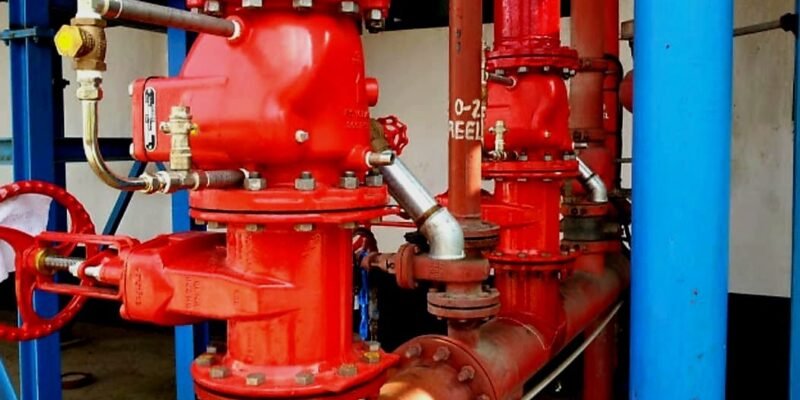
Fire hydrants, hose reels, and fire pumps are also critical parts of industrial fire protection infrastructure. Fire pumps help maintain the pressure required to distribute water effectively during emergencies, while hydrants and hose reels provide accessible firefighting support across facility environments. Proper installation and maintenance of these systems are important for dependable emergency response.

Fire suppression systems also play an important role in controlling fire incidents. Depending on the facility type and operational environment, suppression systems can help contain or reduce fire spread before emergency teams arrive.

Another important but often overlooked safety feature is the use of fire rated steel doors. These doors help slow down the spread of fire and smoke between sections of a building, improving evacuation safety and supporting facility compartmentalization during emergencies. Fire rated doors are especially important in industrial environments where equipment rooms, utility areas, and operational zones require additional protection.

Regular inspection, testing, and maintenance are equally important. Even the best fire protection systems may fail if they are not properly maintained. Routine inspection helps identify faults, damaged components, pressure issues, or operational weaknesses before emergencies occur.

Industrial facilities must also pay attention to safety compliance and fire risk assessments. Proper documentation, safety procedures, emergency planning, and staff awareness all contribute to stronger fire safety performance and better operational readiness.

At Riggs Project Engineering, we support clients with fire protection services that include fire detection systems, fire pumps, piping infrastructure, hydrants, hose reels, fire rated steel doors, inspection support, and safety-focused installation services.

As industrial environments continue to expand and become more complex, reliable fire protection systems remain essential for protecting people, assets, operations, and business continuity.
The Importance of Preventive Maintenance in Manufacturing Facilities

In manufacturing environments, equipment reliability plays a major role in production performance, operational efficiency, and overall business continuity. When machines fail unexpectedly, the result is often unplanned downtime, production delays, increased repair costs, and disruption to operational schedules.

This is why preventive maintenance is essential for manufacturing facilities.

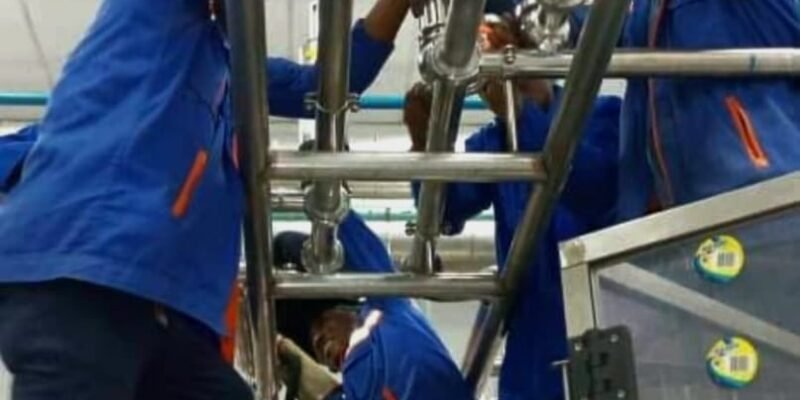
Preventive maintenance involves planned inspection, servicing, adjustment, and monitoring of equipment before major faults occur. Instead of waiting for machines to break down, manufacturers use scheduled maintenance activities to identify wear, performance issues, and potential failures early.

One of the biggest benefits of preventive maintenance is reduced downtime. Production interruptions can affect delivery timelines, operational targets, and customer satisfaction. Regular maintenance helps businesses keep production lines running more reliably while reducing emergency repairs and operational disruptions.

Preventive maintenance also helps extend equipment lifespan. Industrial machinery represents a major investment, and poor maintenance can shorten the life of important assets. Routine inspection, lubrication, calibration, cleaning, and servicing help equipment operate more efficiently and remain functional for longer periods.

Another important advantage is improved operational efficiency. Machines that are properly maintained often perform better, consume less energy, and operate more consistently. This helps manufacturing facilities maintain productivity and reduce avoidable operational losses.

Safety is also an important factor. Faulty equipment can create risks for operators, technicians, and facility operations. Preventive maintenance helps identify unsafe conditions before they lead to accidents or equipment failure.

In addition, maintenance planning improves coordination within manufacturing environments. Scheduled maintenance activities allow operations teams, technicians, and supervisors to prepare properly, reduce disruptions, and manage resources more effectively.

At Riggs Project Engineering, we support manufacturing and industrial facilities with maintenance services focused on reliability, operational continuity, and safer equipment performance. Our approach combines inspection, servicing support, technical supervision, and structured maintenance activities to help clients reduce downtime and improve equipment reliability.

As manufacturing operations continue to depend heavily on industrial equipment and automated systems, preventive maintenance remains one of the most effective ways to improve production stability and long-term operational performance.

Common Causes of Industrial Project Delays and How to Avoid Them

Industrial projects often involve multiple teams, technical systems, site activities, safety requirements, and operational deadlines. Without proper coordination and execution control, even small issues can lead to major delays, increased costs, safety risks, and operational disruptions.

One of the most common causes of industrial project delays is poor planning. Projects that begin without proper scope definition, site assessment, risk evaluation, or execution strategy usually face challenges during implementation. Clear planning helps teams understand project requirements, timelines, manpower needs, procurement schedules, and possible operational risks before work begins.

Another major issue is fragmented contractor coordination. When different contractors work independently without proper supervision or communication, project activities can become disorganized. This often leads to duplicated efforts, installation conflicts, delays in execution, and poor accountability. A structured project delivery approach helps centralize coordination and improves communication between all parties involved.

Delayed procurement is also a common challenge in industrial and construction projects. Materials, equipment, and tools that arrive late can slow down installation activities and affect overall project timelines. Proper procurement planning and logistics coordination help ensure that required resources are available when needed.

Weak supervision can also affect project quality and execution speed. Without competent site supervision, issues such as incorrect installation, unsafe practices, poor workmanship, and unapproved changes may go unnoticed until they become larger operational problems. Regular inspections, reporting, and field coordination help maintain execution control throughout the project lifecycle.

Another overlooked issue is the lack of proper documentation and execution control. Projects without method statements, risk assessments, inspection records, or progress tracking often struggle with accountability and decision-making. Structured documentation improves transparency, supports compliance, and helps teams monitor project progress effectively.

The best way to reduce industrial project delays is through structured project delivery. This includes proper planning, coordinated supervision, procurement control, HSS&E management, quality inspections, and clear communication from start to completion.

At Riggs Project Engineering, we believe successful project execution depends on discipline, safety awareness, technical coordination, and accountability. Our approach helps clients reduce delays, improve operational efficiency, and complete projects safely and reliably.

Why Safety-Led Project Execution Matters in Industrial Engineering

Industrial engineering projects are often carried out in environments where safety, coordination, and proper execution directly affect people, equipment, and business operations. Whether it is a manufacturing facility, oil and gas site, warehouse, or construction environment, poor safety control can lead to accidents, downtime, equipment damage, project delays, and financial losses.

This is why safety-led project execution is essential.

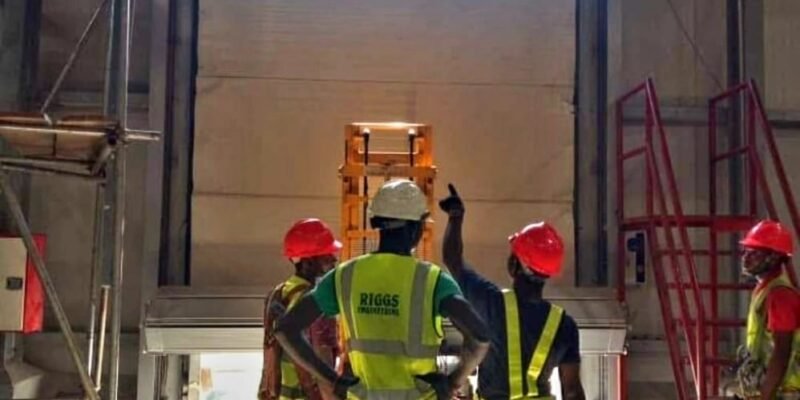
A safety-led approach means safety is considered from the planning stage — not after work has already started. Proper HSS&E planning helps project teams identify risks early, establish safe work procedures, assign responsibilities, and prepare the right supervision and documentation before execution begins.

One major cause of project failure in industrial environments is poor coordination and weak supervision. When contractors work without proper communication, inspections, or site control, small issues can quickly become serious operational or safety problems. Structured supervision helps ensure that work is carried out according to approved procedures, safety requirements, and project specifications.

Documentation also plays an important role in successful project execution. Risk assessments, Job Hazard Analysis (JHA), permit-to-work systems, inspection reports, and safety records help maintain accountability and improve execution control throughout the project lifecycle. These processes not only improve safety performance but also help organizations remain audit-ready and compliant with operational standards.

Safety-led project execution also improves operational reliability. Projects that are properly planned and supervised are more likely to be completed efficiently, with reduced downtime, fewer disruptions, and better long-term equipment performance.

At Riggs Project Engineering, we believe safety, quality, and execution control must be built into every project from the beginning. Our approach combines HSS&E leadership, technical discipline, competent field supervision, and structured reporting to help clients execute projects safely and reliably.

As industrial environments continue to grow more complex, businesses need engineering partners who understand that safe execution is not just a compliance requirement — it is a critical part of successful project delivery.